

Think of Digital PR as traditional public relations' cooler, data-driven cousin. Instead of relying on newspapers, magazines and TV, it uses online coverage, influencer partnerships, social engagement and SEO-driven strategy to build brand reputation.
It's the difference between waiting for a journalist to write about you and actively creating opportunities to be seen, heard and shared - by people, and increasingly by the AI tools now summarising and citing sources on your brand's behalf.
Done well, Digital PR can:
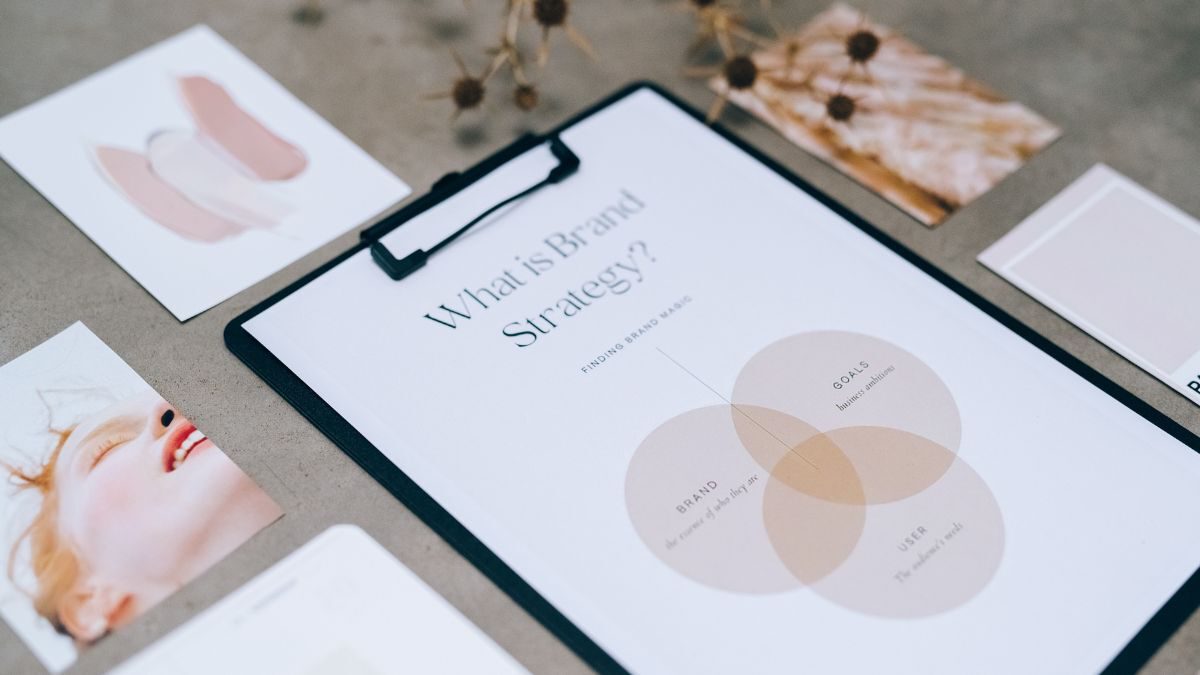
Standing out online isn't just about being found - it's about being remembered. SEO helps people discover you. Digital PR shapes how they see you once they have.
That distinction matters more than ever, because in a world of constant content, attention is fleeting. Ranking well isn't enough on its own. You need people - and now, AI tools - talking about your brand in the right places, with the right message, at the right time. Here's why that makes Digital PR non-negotiable:
People trust what they read online. A glowing review, a mention in a top publication, a social shoutout - these carry more weight than any ad ever could, because they don't feel like you saying it about yourself.
It gives your brand a voice. Without Digital PR, your reputation is left to chance. Wouldn't you rather shape the story than react to it?
SEO and PR go hand in hand - but not identically. A great piece of coverage can earn you a high-quality backlink that lifts domain authority and rankings. But not every mention comes with a link, and unlinked mentions still build visibility and authority in their own right. Track them separately, because they're doing different jobs.
It amplifies your reach. Traditional PR alone doesn't cut it anymore - print is fading and TV is losing ground to online content. Digital PR leans into influencers, bloggers and online communities to put your brand in front of audiences who actually convert.
There are countless ways to get people talking about your brand - but the skill isn't doing all of them. It's knowing which tactics suit your brand, your audience and your goals, and executing them well. Here are the key types, and why they work when they're done right.
This is the classic PR move: getting featured in high-authority publications, news sites and industry blogs. Simple in theory, but the value lies entirely in the strategy behind it.
Journalists and bloggers are constantly hunting for fresh insight and expert comment, but their inboxes are crowded, so your pitch needs to earn its place. Strong visuals, relevant data and a well-framed story make the difference between being read and being deleted. In practice, that means actively monitoring journalist requests and being ready to respond fast with useful, publication-ready commentary - not luck, but process.
Best for: Boosting credibility, building brand awareness, and improving SEO through backlinks.
Partnering with influencers can transform reach, relevance and trust - but only when it's authentic and strategically chosen, not just a box of freebies sent out with fingers crossed.
The magic happens when you align with creators who genuinely reflect your brand values, and craft the collaboration to land with their audience specifically - not yours. Whether that's a big name or a niche micro-influencer with a smaller but fiercely engaged following, it's not who you work with that matters most. It's how and why.
Best for: Increasing brand reach, driving social shares and building trust with specific audiences on social platforms.
Being seen as an expert does wonders for credibility. Guest articles, podcast features, LinkedIn commentary - all of it builds authority and positions your brand as one people trust.
But writing a blog post and hoping it lands somewhere won't cut it. The key is knowing where your voice carries weight, what topics will resonate, and how to frame your ideas so they actually get picked up. It's a long game, but with the right messaging and placement, it puts you front and centre in your industry.
Best for: Positioning yourself as an authority, driving organic traffic, and improving search visibility.
Sometimes the best Digital PR isn't planned at all - it's reactive. A witty tweet, a cheeky Instagram post, or a well-timed TikTok can create waves of visibility and spark press coverage no press release ever could.
We've seen exactly how powerful this is first-hand: more than half of the coverage we secured for our client Verve came from reactive journalist opportunities, not scheduled campaigns. Expert-led, fast-turnaround commentary consistently outperformed promotional messaging - and it kept journalists coming back for more.
The catch is that jumping on a trend for its own sake rarely works. The campaigns that land are the ones backed by an already-established brand voice, tied back to wider marketing and SEO goals. If you're going to go viral, make sure it actually means something once the moment's passed.
Best for: Creating brand awareness, increasing engagement and driving organic traffic.
Data-led PR is one of the most reliable ways to land top-tier coverage and earn strong, SEO-friendly backlinks - but only when the data itself is chosen with care. From the story angle to the sample size, everything needs a strategic reason behind it.
The strongest data stories don't just have interesting numbers; they connect to something people are already searching for, tap into live audience behaviour, and come with a genuine editorial hook. That combination - not the dataset alone - is what actually gets a story picked up. Access to the right survey panels or first-party audience data helps enormously here too.
Best for: Getting covered in top-tier media, earning high-quality backlinks, and boosting brand authority.
People trust other people more than they trust brands. A bank of glowing reviews or a well-handled customer complaint can do as much for you as a media feature.
But managing your online reputation is more than replying to reviews when you remember to. It's a proper strategy: encouraging positive feedback, addressing concerns quickly and professionally, and monitoring sentiment across every channel - Trustpilot, TikTok, wherever people are talking about you.
Best for: Building trust, increasing conversions, and maintaining brand credibility.

There's no one-size-fits-all approach. The best strategies combine multiple tactics to maximise exposure, credibility and engagement:
It also pays to think in terms of your audience's actual search journey. What are they typing into Google - or asking an AI tool - when they're deciding who to trust? Which third-party sources are shaping the answers they see? And where are your competitors already showing up that you're not?
The more places your brand appears, the stronger its reputation becomes. Digital PR isn't just about racking up coverage - it's about building a presence that people, and the tools they now search with, recognise and trust.
A successful strategy isn't guesswork. It's built on insight, experience and the right approach. If you want to get it right, get in touch with us today.
Some brands have their one viral moment and call it a day. Others consistently show up, get talked about, and own the online conversation through smart, strategic Digital PR - including, we'd argue, our own client Verve.
Our Digital PR campaign for Verve secured 29 pieces of coverage at an average Domain Rating of 75 - strong by any measure. But the more interesting number came afterwards: the strongest ongoing search value came from just six of those articles, which between them now rank across 660+ keywords. Evergreen, problem-solving content about the home outperformed the bigger, syndicated national coverage when it came to sustained organic discoverability. It's a good reminder that a headline logo isn't always where the long-term value lives.
Beyond that, a few brands consistently do this brilliantly:
Aldi UK – Cheeky, relatable, and completely in tune with internet culture. Whether it's bantering with M&S over caterpillar cakes or jumping on a trending meme, Aldi's social team is a masterclass in staying relevant, funny and everywhere.
Absolute Collagen – Founder-led storytelling meets real results. Genuine customer success stories, glowing reviews and regular media appearances from founders Maxine and Darcy build trust and drive word of mouth - smart, authentic and consistent.
Greggs – Yes, it's a bakery, but Greggs plays PR like a tech startup. The vegan sausage roll drama. The Primark x Greggs fashion collab. They understand timing, humour, and how to get people talking, on and offline.
Duolingo – That unhinged green owl became a viral icon by design, not accident. Duolingo leans into chaos on TikTok with personality-packed, on-trend content that gets serious engagement - proof a strong brand voice can be your biggest asset.
Spotify – They don't just do Digital PR, they own cultural moments. Spotify Wrapped takes over feeds every year with personalised, shareable content that turns users into brand ambassadors without them even realising it - and that's on top of the year-round work Spotify does with insight, timing and creativity.
Any brand, in any sector, can win with Digital PR. What connects all of these is the same thing: they know how to get people talking online, and that's the whole game.

Great Digital PR doesn't happen by accident. The brands that consistently get mentioned in top-tier media, trend on social, and dominate search results all have one thing in common: a plan. Here's what that looks like in practice.
Before any campaign gets dreamed up, you need a baseline. Audit your existing coverage and referring domains, understand your competitors' share of voice, map the search journeys that matter most to your brand, check where you currently stand in AI visibility, and get a read on sentiment and your social or community presence. Confirm your attribution setup can actually capture what happens next. Skip this step and you'll have no way of proving any of it worked.
Before you fire off a single press release, what's the actual end game? More website traffic, social buzz, industry credibility, or all three? A scattered approach won't get you far - clear goals let you tell what's working from what's just noise.
If you're shouting into the void, don't be surprised when no one shouts back. Where does your audience spend time online? What do they read, engage with, and actually care about? Answer that, and you'll know exactly where to focus.
Here’s the harsh truth: no journalist, blogger, or influencer is going to talk about your brand just because you exist.
To get coverage, you need a story worth telling. Think:
✔ New data or insights – Think industry reports, case studies, or surveys that offer fresh info.
✔ Compelling stories – A strong brand narrative or founder story can get media attention.
✔ Expert commentary – Position yourself as an industry thought leader.
✔ Creative campaigns – Unique, interactive content like quizzes, viral stunts, or fun research pieces can get serious traction online.
Want your brand to be seen by the right people AND boost your SEO at the same time? You need to get featured on high-authority websites.
If your definition of Digital PR is "get as many backlinks as possible," you're missing the point. It's about building genuine relationships with journalists and bloggers who'll keep amplifying your brand over time, not just once.
✔ Engage with journalists and bloggers – comment on their work, connect on LinkedIn, build rapport before you ever pitch
✔ Be genuinely helpful – offer insight, stats or commentary even when it's not about your brand
✔ Pitch what they actually care about – journalists need stories their readers want, not a plug for your company
The same logic applies well beyond traditional media - a LinkedIn thought leader, an industry podcast, or a niche subreddit all work the same way.
You don't need a huge budget or a full digital PR team to make an impact. Here's where to start:
1. Build a signed-off expert quote bank. Get a handful of pre-approved quotes from someone at your company on the topics you want to own. When a journalist request lands, you can respond in minutes instead of days - and speed is often what wins the pitch.
2. Get 10 Hooks from One Topic. Pick one topic or subject relevant to your brand and put this into every AI tool you can think of. What other topics, searches are being added? Look ahead at what's coming - a seasonal moment, an industry event, a trend you can see building - and have an angle ready before it happens, not after everyone else has already covered it.
3. Add UTMs to every campaign link. If you can't trace where your traffic and conversions actually came from, you can't prove Digital PR is working. Set this up before you push for any social media mentions or editorial links.
4. See Who is Being Cited. Using AI tools, do lots of searches about everything to do with your brand. You'll start to see certain publications and sites being are being cited, make a list of these! These are the brands / publications you want to mirror and reach out to. You'll see what you need to do too, whether that's reaching out to a blogger, or creating a comparison video. It's the starter block for getting your first content out there!
5. Check what shows up for a priority search. Google a term that matters to your brand, then ask an AI tool like ChatGPT the equivalent question. See which sources get surfaced or cited, and whether your brand is one of them yet.
The best Digital PR doesn't just land you press coverage - it gets people talking, sharing and engaging with your brand wherever they're looking for it, whether that's a Google results page, an AI-generated answer, or a conversation happening on social media.
If you want content so good people can't help but share it, backed by a Digital PR and SEO strategy that actually delivers results, we can help.
Contact us today and let's talk about the stories, campaigns and strategy that will get your brand seen, talked about and trusted - everywhere your audience is looking.
It's the practice of getting your brand seen, talked about and trusted online - through media coverage, influencer collaborations, social presence and SEO-driven content, all aimed at boosting your organic visibility and reputation, including in AI-generated search results.
They get your brand in front of the right audience: developing newsworthy content ideas, building relationships with journalists and influencers, securing coverage, and improving your SEO through high-quality backlinks and brand mentions.
They overlap but aren't the same. Digital PR focuses on visibility, credibility and storytelling; digital marketing covers paid ads, email and website optimisation more broadly. A strong Digital PR campaign gives the rest of your marketing a real boost.
Through high-authority backlinks, increased brand mentions, and organic traffic driven by coverage. Google - and increasingly AI search tools - favour brands referenced by trusted, authoritative sources, which helps you rank and get cited more often.
Traditional PR lives in print, TV and radio. Digital PR is entirely online: media features, influencer work, social campaigns and SEO-driven content.
Yes - it fuels your content strategy with fresh campaign ideas, earns coverage for what you publish, and amplifies your message across the platforms that matter.
Because influencers bring built-in, trusting audiences. One mention from the right creator can move organic traffic, engagement and credibility faster than paid advertising ever could.
Not with a single number. Look at coverage quality and relevance, brand mentions, backlinks and referring domains, publication authority, where links point on your site, referral traffic and assisted conversions, whether coverage itself ranks for relevant keywords, competitor share of voice, sentiment, repeat journalist requests, and your visibility in AI search results. It's worth being honest that not every shift in these numbers can be pinned directly on PR - but with the right measurement in place, you can build a genuinely strong, evidence-based picture of its impact.
Whether you're launching a product, building brand awareness, or improving your SEO, Digital PR creates buzz, earns positive coverage, and gets people talking about your brand - on Google, on social, and increasingly, in the AI tools shaping how people discover brands today.
Get seen. Get chosen.

Subscribe to the Monday Memo
Get the SEO, GEO and AI search updates actually worth knowing, plus practical tips from the Monday Clicks team to help your brand get found, recommended and chosen.
Once a month. All the good stuff, straight to your inbox.
Want in?
By submitting this form I accept the Privacy Policy of this site.


